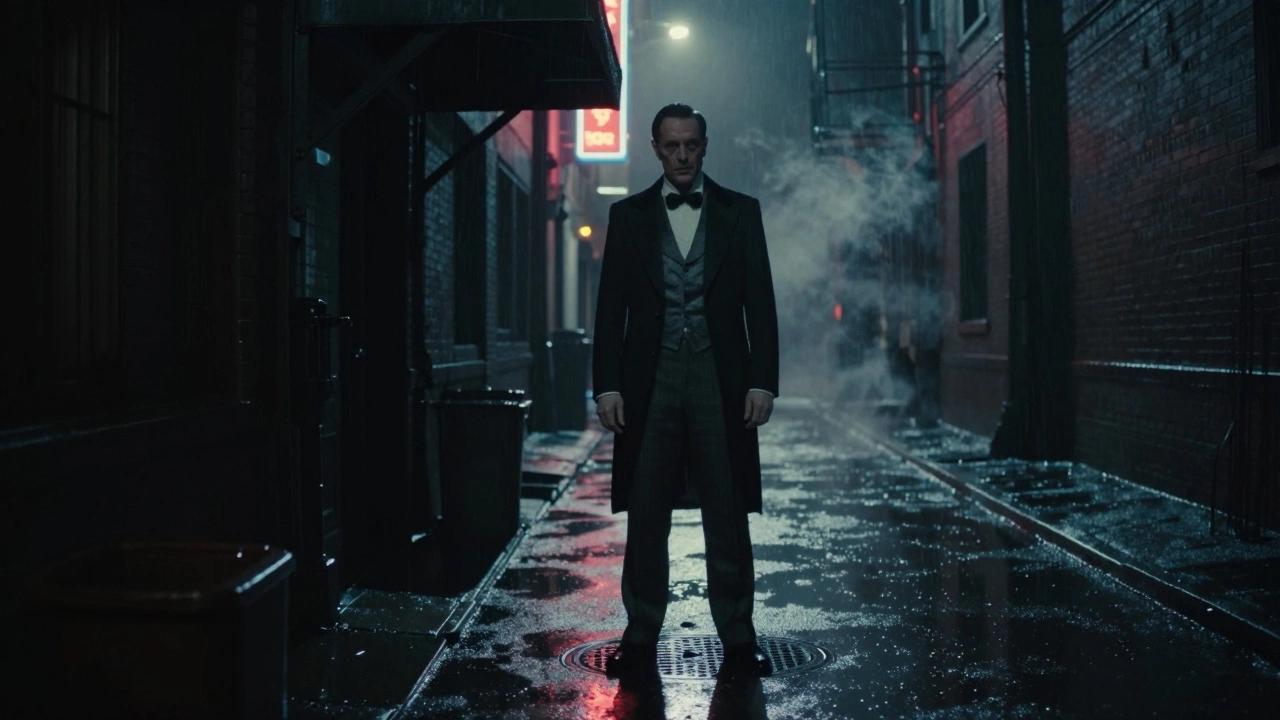
There are films that entertain. There are films that shock. And then there’s The Penguin - a slow-burning, deeply human story wrapped in the skin of a crime drama. Released in late 2024, this HBO Max original didn’t break box office records. But it did something rarer: it stuck with people. Long after the credits rolled, viewers found themselves thinking about the silence between lines, the weight of a glance, the way a man in a tuxedo can feel more alone than anyone in a prison cell.
If you’ve ever scrolled through late-night search results looking for something like ecort girl paris - not for the surface appeal, but for the mystery behind the image - you might understand why this show resonates. It’s not about glamour. It’s about what happens when the mask comes off, and no one’s left to watch.
Who Is The Penguin?
Not the Batman villain you remember. Not the cartoonish gangster from older adaptations. This version of Oswald Cobblepot - played with chilling precision by Colin Farrell - is a man carved out of neglect, ambition, and the cold concrete of Gotham’s underbelly. He’s not born evil. He’s made that way by a city that refused to see him as anything but a joke. His deformity isn’t just physical. It’s social. He’s been laughed at since childhood. And now, he’s learning how to make others fear him.
The show doesn’t rush. Each episode feels like a slow drip of water on stone. You watch Oswald climb from the sewers of Gotham’s abandoned subway tunnels to the marble halls of high-society fundraisers. His rise isn’t powered by brute force. It’s built on patience, manipulation, and an uncanny ability to read people - especially those who think they’re above him.
Why It Feels So Real
Most crime dramas lean into spectacle. Gunfights. Car chases. Explosions. The Penguin does none of that well. Instead, it leans into texture. The smell of wet wool coats in a dimly lit bar. The way a waiter hesitates before serving a drink to someone no one wants to acknowledge. The sound of a single high heel on a marble floor - not because it’s dramatic, but because it’s the only thing keeping someone from falling apart.
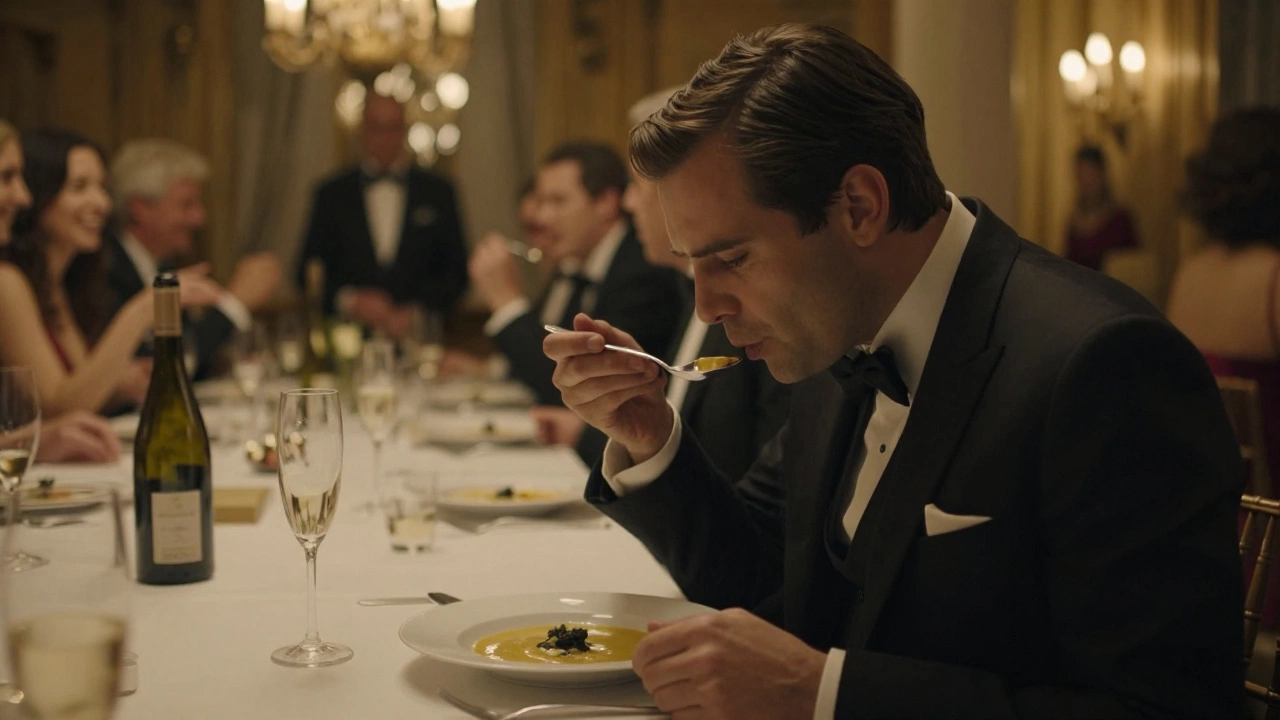
There’s a scene in episode three where Oswald sits alone in a restaurant, waiting for a meeting that never happens. He doesn’t storm out. He doesn’t yell. He just finishes his soup. Slowly. Methodically. The camera lingers on his hands. They’re trembling. But he doesn’t let it show. That’s the whole show in one minute: control, pain, and silence.
The Supporting Cast That Elevates Everything
Colin Farrell carries the weight, but he doesn’t carry it alone. Lauren Ambrose plays Veronica, a former socialite turned crime broker who sees Oswald as a project - and maybe, just maybe, a kindred spirit. Her performance is a masterclass in quiet menace. Every smile feels like a knife being sharpened.
Then there’s Michael Chernus as Benny, Oswald’s only real friend - or maybe the only person who ever treated him like a human before he became a legend. Their friendship is the emotional core of the series. Not romantic. Not sexual. Just real. Two broken people holding each other up in a world that wants them both dead.
Even the minor characters feel lived-in. A bartender who remembers your order even though you’ve never spoken. A security guard who looks away when he sees you slip cash into a pocket. These aren’t set pieces. They’re proof that Gotham isn’t a city. It’s a machine - and everyone in it is just a gear trying not to break.
How It Compares to Other Gotham Stories
If you’ve watched Batman: The Animated Series or even The Dark Knight, you expect The Penguin to be a flamboyant, over-the-top villain. This version is the opposite. He’s not here to laugh maniacally. He’s here to survive. He doesn’t want to rule Gotham. He just wants to be treated like he belongs in it.
Compare this to Peaky Blinders - another show about a man rising from nothing. Tommy Shelby uses charm and violence. Oswald uses silence and observation. One is fire. The other is ice. And ice, as it turns out, is harder to melt.
It’s also unlike Succession, even though the power plays feel similar. In Succession, the characters are rich and entitled. In The Penguin, they’re desperate and invisible. That’s the difference between corruption and survival.
The Themes That Linger
This isn’t just a crime story. It’s a study in class, identity, and the cost of being seen. Oswald doesn’t want to be feared because he’s evil. He wants to be feared because no one ever listened when he asked to be respected.
There’s a moment in episode five where he walks into a charity gala wearing a custom-made tuxedo - the one he saved for three years to buy. Everyone ignores him. Until he speaks. And then, suddenly, they’re all leaning in. Not because he’s charming. But because they’re afraid of what he might say next.
That’s the twist: power doesn’t come from money. It comes from the fear that someone might expose you. And Oswald? He knows everyone’s secrets.

Why You Should Watch It - And Who Shouldn’t
If you like fast-paced action, this isn’t for you. If you need clear heroes and villains, you’ll be frustrated. This show doesn’t give you easy answers. It gives you questions. And then it walks away.
But if you like stories about people who don’t fit in - who were told they were too strange, too ugly, too quiet - and still found a way to take up space? Then this is your show.
It’s not perfect. Some pacing issues in the middle episodes. A few plot threads that feel underdeveloped. But the emotional truth? Unshakable.
Where It Ends - And What Comes Next
The finale doesn’t give you a big victory. No throne. No crown. Just Oswald sitting on a balcony overlooking Gotham, watching the city lights flicker. He’s alone. But he’s no longer invisible.
There’s a hint of something bigger - a whisper about a new player moving into town. Someone even colder. Someone who doesn’t need to be seen to be feared.
Is this the beginning of Batman’s rise? Or just the next chapter in Oswald’s quiet war? The show doesn’t say. And that’s why it’s brilliant.
It’s rare to find a show that doesn’t need to shout to be heard. The Penguin doesn’t shout. It waits. And when it speaks, you can’t look away.
And if you’ve ever wondered what it’s like to be the person everyone overlooks - until they can’t - then you already know why this story matters. It’s not about crime. It’s about being human in a world that doesn’t want you to be.
There’s a moment in episode seven where Oswald walks past a mirror. He stops. Looks at himself. Doesn’t smile. Doesn’t frown. Just nods. As if to say, Yeah. I’m still here.
That’s all you need to know.
Is The Penguin a spin-off of The Batman?
Yes, it’s a direct spin-off of Matt Reeves’ 2022 film The Batman, set in the same universe. While Robert Pattinson’s Batman appears only in flashbacks, the tone, aesthetic, and world-building are fully connected. This isn’t a reboot - it’s an expansion of the same gritty, rain-soaked Gotham.
Do I need to watch The Batman before watching The Penguin?
Not strictly. The show explains enough on its own. But watching the 2022 film gives you context for Gotham’s power vacuum and the political chaos that lets Oswald rise. You’ll get more out of it if you’ve seen it - but you won’t be lost if you haven’t.
Is The Penguin a villain or a tragic hero?
It’s both. The show refuses to label him. He commits terrible acts, but you understand why. He’s not redeemable in the traditional sense, but he’s deeply human. That’s what makes him unforgettable. He’s not a monster. He’s a man who was treated like one - and decided to become what they expected.
How many episodes are in The Penguin?
There are eight episodes in the first season, each running between 50 and 65 minutes. The season was designed as a single, continuous story - not a collection of standalone cases. It’s meant to be watched in one or two sittings.
Will there be a Season 2?
HBO has not officially renewed it, but the critical reception and fan response have been overwhelmingly positive. Given the open-ended finale and the rich world built around it, a second season is highly likely. Rumors suggest filming could begin in early 2026.